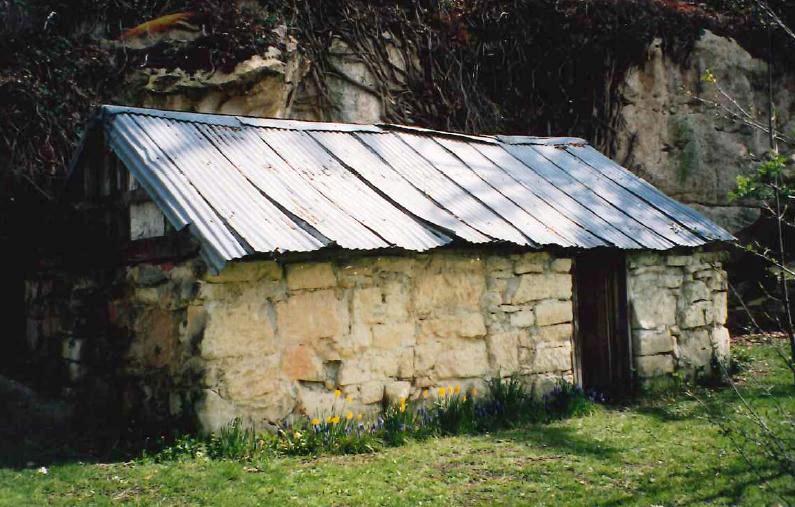
This cave, named for an early Otekaike Station boundary rider, served as hearth and home for the runholders who first took up a pastoral lease over this land in the mid-1850s, recognising, as iwi had done before them, the shelter provided by the limestone outcrops of the Waitaki Valley. A reminder of the primitive beginnings of pastoralism in the South Island that is a defining aspect of New Zealand identity, Hille’s Cave has historical and archaeological significance.
When Samuel Helier Pike and John Parkin Taylor (1812-1875) took up Run 28 in the Waitaki Valley they lived in this cave on the station. In a retrospective the Otago Daily Times reported that Taylor’s ‘dwelling-house’ had been a very primitive one, being a cave in the limestone rock, covered over with a tent-fly.’ For some years, the pegs and a portion of the calico could be seen in the face of the rock.
Other employees also used the cave – boundary riders and shepherds for example. One story tells that when Taylor went to Dunedin in business leaving a shepherd in charge he returned and asked the man how the sheep were. He received the reply ‘Oh right enough…you can see them from here all along that hill face. Mr Taylor took his telescope and examined the white objects on the hill, and discovered that they were all blocks of limestone, and not a single sheep to be seen. The shepherd, in blissful laziness, had never left the cave to look after the sheep since his master had been away.’
The name Christian Hille is also associated with the cave. Christian Hille was an early station worker and businessman in the Waitaki Valley. He worked as a shepherd on Otekaike Station and later opened the Western Hotel which he ran in conjunction with a ferry service which provided a punt across the Waitaki River. As a boundary rider Hille also apparently lived in the cave. Born in Hanover, Germany, in 1823, Hille first went to Australia before settling in the Oamaru district. He was one of the early European settlers and landowners in the Kurow district. In 1860 he married the daughter of Fredrick Schluter, of Boundary Creek, near Oamaru, and at his death, in 1895, left five sons and five daughters. In later years the cave was used by the staff at Robert Campbell’s grand estate as an ice house. In 2016, the cave remains part of the larger Campbell Park Estate.
When Samuel Helier Pike and John Parkin Taylor (1812-1875) took up Run 28 in the Waitaki Valley they lived in this cave on the station. In a retrospective the Otago Daily Times reported that Taylor’s ‘dwelling-house’ had been a very primitive one, being a cave in the limestone rock, covered over with a tent-fly.’ For some years, the pegs and a portion of the calico could be seen in the face of the rock.
Other employees also used the cave – boundary riders and shepherds for example. One story tells that when Taylor went to Dunedin in business leaving a shepherd in charge he returned and asked the man how the sheep were. He received the reply ‘Oh right enough…you can see them from here all along that hill face. Mr Taylor took his telescope and examined the white objects on the hill, and discovered that they were all blocks of limestone, and not a single sheep to be seen. The shepherd, in blissful laziness, had never left the cave to look after the sheep since his master had been away.’
The name Christian Hille is also associated with the cave. Christian Hille was an early station worker and businessman in the Waitaki Valley. He worked as a shepherd on Otekaike Station and later opened the Western Hotel which he ran in conjunction with a ferry service which provided a punt across the Waitaki River. As a boundary rider Hille also apparently lived in the cave. Born in Hanover, Germany, in 1823, Hille first went to Australia before settling in the Oamaru district. He was one of the early European settlers and landowners in the Kurow district. In 1860 he married the daughter of Fredrick Schluter, of Boundary Creek, near Oamaru, and at his death, in 1895, left five sons and five daughters. In later years the cave was used by the staff at Robert Campbell’s grand estate as an ice house. In 2016, the cave remains part of the larger Campbell Park Estate.
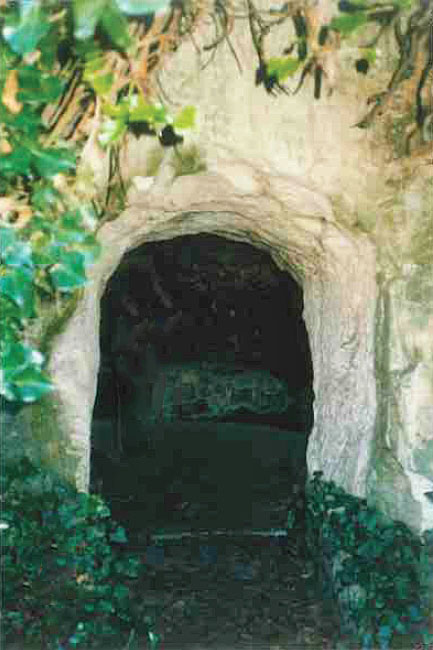
Hille's Cave. Image included in Field Record Form Collection | L Galer | 11/06/1987 | Heritage New Zealand Pouhere Taonga
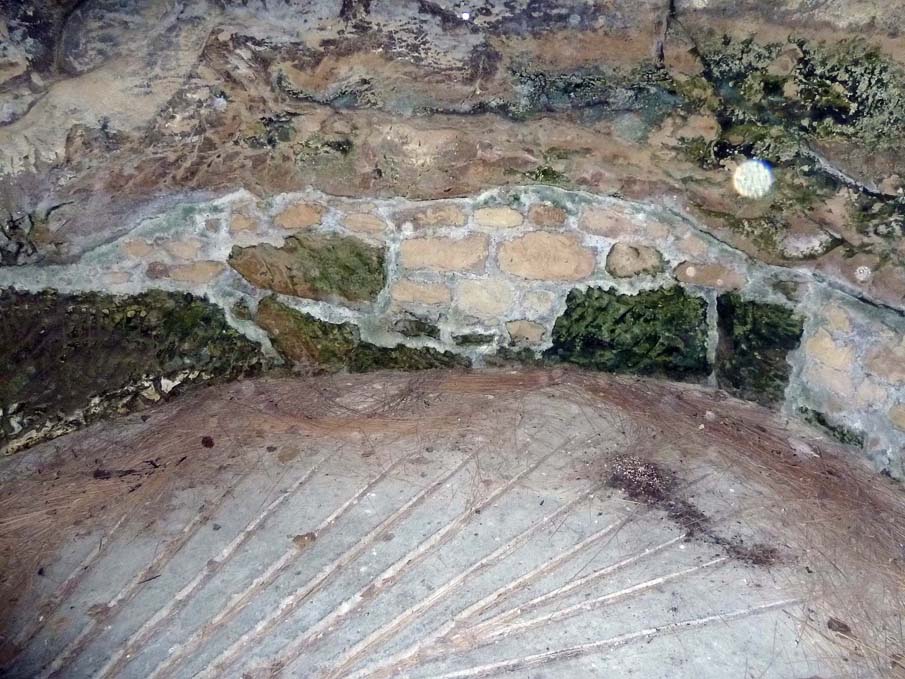
Hille's Cave, Otekaieke. Interior floor and wall | N Jackson | 29/06/2012 | Heritage New Zealand Pouhere Taonga
Hille's Cave. Image included in Field Record Form Collection | L Galer | 11/06/1987 | Heritage New Zealand Pouhere Taonga
Hille's Cave, Otekaieke. Interior floor and wall | N Jackson | 29/06/2012 | Heritage New Zealand Pouhere Taonga